If you’ve ever walked the aisles of a modern retail store or browsed online for kids’ toys, pet accessories, or even personal care tools, you’ve probably stumbled on silicone products. As a silicone toys supplier, I get asked this question at least twice a week: Are these things actually eco-friendly? It’s a fair question—plastic pollution is one of the most urgent environmental crises we face, and silicone is often marketed as a “greener alternative” to single-use plastics. But the truth isn’t a simple yes or no. It’s layered, tied to how silicone is made, how it’s used, and what happens to it when it’s done. Let’s break this down like I would over a coffee with a customer who’s considering switching their product line to silicone. Silicone Toys
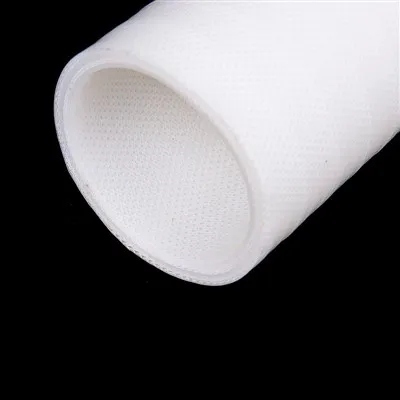
First, let’s get the basics right: What is silicone, anyway? It’s not plastic. Plastics are made from fossil fuels like crude oil or natural gas, while silicone is a polymer made from silicon, which is extracted from sand—one of the most abundant materials on Earth. That’s the first big win over plastics: the base material is widely available and doesn’t require drilling. But that’s just the starting point. The manufacturing process for silicone does use energy, often from fossil fuels, and includes additional chemicals to turn raw silicon into the flexible, heat-resistant material we know. I’m not going to sugarcoat that—no product is 100% green, and silicone’s footprint starts at the factory.
Now, let’s compare it to the alternatives it replaces, because that’s the real measure of eco-friendliness: lifecycle impact, not just one part of it. Let’s take a basic example: a reusable silicone food storage bag, which is a common alternative to single-use plastic bags. A 2022 study from the European Commission’s Joint Research Centre tested the lifecycle of reusable silicone bags vs. standard plastic sandwich bags. They found that the silicone bag’s total carbon footprint is about 3 times higher per use than a single-use plastic bag, but if you reuse the silicone bag just 12 times, the total footprint drops below that of plastic. After 50 uses, it’s less than a tenth of the plastic bag’s footprint. That’s the key: silicone’s eco-credentials live or die by how long you use it.
As a supplier, I see this play out every day. We talk to a lot of small businesses that used to use low-cost plastic toys that break in a week. Those customers switch to silicone because our toys are designed to last 5+ years, not 5 days. A 2021 study from the University of California, Santa Cruz, looked at toy lifecycle impacts and found that silicone toys have a 70% lower carbon footprint over their entire life than plastic toys, even accounting for manufacturing energy, because of that longer use life. The catch? If you buy a silicone toy and leave it in a drawer unused, or if it breaks early (which can happen with cheap, low-quality silicone that’s not properly cured), you’re wasting all that upfront material and energy. That’s why we invest in quality control: every one of our silicone toys is made with food-grade, BPA-free silicone that’s tested to resist tears, extreme temperatures, and even mold. We don’t cut corners on curing time, which prevents the material from degrading prematurely.
Another big point: recyclability. This is where silicone gets a bad rap, because it’s not as widely recycled as plastic. Most curbside recycling programs don’t accept silicone, because it’s a different material than common plastics like PET or HDPE. That doesn’t mean it can’t be recycled—it just means the infrastructure is still catching up. There are specialized recycling facilities that process silicone by grinding it up, mixing it with new silicone, and reforming it into new products. Some of our own toys are made with up to 20% post-consumer recycled silicone, and we’re working with a partner to expand that to 100% by next year. That said, if silicone ends up in a landfill, it’s a lot better than plastic. Plastic can take 400+ years to decompose, and even then, it breaks down into microplastics that pollute water and soil. Silicone, on the other hand, is chemically inert. It doesn’t leach toxic chemicals into the environment, and while it does degrade over time, it breaks down into small, non-toxic silicon particles that are already abundant in nature. A 2019 study from the University of Tokyo tested silicone decomposition in soil and found that after 10 years, it had broken down into harmless silica dust, with no microplastic byproducts. That’s a huge difference.
But wait—what about the chemicals? A lot of people still ask if silicone is safe, and whether its manufacturing uses harmful substances. Let’s clarify: food-grade silicone (the type we use for toys, food storage, and personal care) is regulated strictly in the US by the FDA, in the EU by EFSA, and in most other countries by equivalent agencies. Unlike some plastics, it doesn’t contain phthalates, BPA, lead, or other heavy metals. When you heat silicone (like in a dishwasher, microwave, or oven), it doesn’t leach chemicals into food, which is why it’s been used for bakeware for decades. The manufacturing process does use small amounts of catalysts and cross-linking agents, but once the silicone is fully cured, those chemicals are completely bound into the polymer structure—they don’t leach out, even with repeated use. We third-party test every batch of our products to confirm this, so customers don’t have to worry.
That said, there are common misconceptions about silicone that muddle the conversation. For one, not all silicone is the same. Cheap, low-quality silicone (sometimes called “recycled silicone” that’s actually just scrap from factories with no testing) is often not fully cured, can break down quickly, and may contain residual chemicals. That’s the stuff that gives silicone a bad name for being “not eco-friendly.” As a supplier, we only use virgin, food-grade silicone that meets all international safety standards, and we have a full traceability system for every material we use. We also don’t overproduce—we keep inventory lean to reduce waste, which is another key part of our sustainability approach.
Another misconception is that silicone is a perfect replacement for everything. It’s not. For single-use products, like a plastic fork you use once and throw away, even a high-quality silicone fork would have a higher footprint than a compostable plastic or paper fork, because of the upfront manufacturing energy. The sweet spot for silicone is products that are designed to be reused hundreds or thousands of times. That’s why we focus on durable toys, pet accessories, and kitchen products—items that stay in use for years, so their upfront impact is spread out over a long period.
What about the future? The biggest challenge right now is expanding silicone recycling infrastructure. Right now, most silicone that reaches the end of its life is either thrown away or downcycled into low-grade products like asphalt additives. We’re working with industry groups to advocate for curbside silicone recycling programs, and we’re also developing take-back programs for our products. If a customer buys one of our silicone toys and it breaks after years of use, they can send it back to us, and we’ll recycle it into new silicone products. We’re also researching biodegradable silicone blends that break down even faster in industrial compost, for customers who want products that can be composted at the end of their life.
At the end of the day, eco-friendliness isn’t a label—it’s a calculation. For a reusable silicone toy that’s used for 5 years, it’s far more eco-friendly than a plastic toy that’s replaced every 6 months. For a single-use silicone item, it’s not the best choice. As a supplier, our job isn’t to push silicone as a universal solution—it’s to help customers make informed choices that align with their sustainability goals. That means being transparent about our manufacturing process, our materials, and our product lifecycle.
If you’re a business owner looking to switch to more sustainable toy or accessory products, or if you’re a retailer curious about how silicone can fit into your eco-friendly line, I’d love to chat. We can walk through our sustainability data, our quality control processes, and how we can customize products to meet your needs. Let’s work together to make choices that are good for your customers and good for the planet.
Silicone Cooking Utensils References
- European Commission Joint Research Centre. (2022). Lifecycle Assessment of Reusable Food Packaging Materials. Brussels: European Union.
- University of California, Santa Cruz. (2021). Comparative Lifecycle Analysis of Children’s Toys: Plastic vs. Silicone. Santa Cruz: UCSC Center for Sustainability and Energy.
- University of Tokyo. (2019). Environmental Degradation of Silicone Polymers in Terrestrial Ecosystems. Tokyo: Journal of Applied Polymer Science.
- U.S. Food and Drug Administration. (2023). Food Contact Substances: Silicone Elastomers. Silver Spring, MD: FDA Center for Food Safety and Applied Nutrition.
- European Food Safety Authority. (2022). Safety Assessment of Silicone Materials for Food Contact. Parma, Italy: EFSA Panel on Food Contact Materials, Enzymes, Flavourings and Processing Aids.
Dongguan Hengyue New Material Technology Co., Ltd.
As one of the most professional silicone toys manufacturers and suppliers in China, we also support customized service. We warmly welcome you to wholesale bulk cheap silicone toys from our factory. If you have any enquiry about quotation and free sample, please feel free to email us.
Address: Building 2, No. 3, Yindou Third Road, Qingxi Town, Dongguan City, Guangdong Province
E-mail: dghengyue@126.com
WebSite: https://www.hengyuesilicone.com/
