Hey there! Let’s cut to the chase: calcium carbonate powder is hands down one of the most common supplements out there, and probably also one of the most confusing when it comes to how much you actually need to take. As someone who’s been in the calcium carbonate powder game for years (I’m the supplier you might’ve seen at trade shows, always rocking a faded hoodie and a bunch of sample tins in my bag), I get so many DMs and calls every week asking the exact same question: “How much of this stuff should I take daily?” Calcium Carbonate Powder

First, let’s get one thing straight—this isn’t some random “one-size-fits-all” number. It depends on so many little things: your age, whether you’re male or female, if you’re pregnant, if you’re hitting a lot of dairy or leafy greens already, even how your body absorbs nutrients. I’ve seen people take way too much (and wonder why they’re constipated) and way too little (and still dealing with weak nails or that dull bone ache). Let’s break this down like we’re chatting over a coffee, no jargon, no stuffy guidelines.
For most adults, the basic guideline from the folks who study nutrition (the FDA and Institute of Medicine, to name a couple) is somewhere between 1,000 mg and 1,200 mg of elemental calcium per day. Wait, “elemental calcium” is key here—because not all calcium supplements (including our calcium carbonate powder) have the same amount of actual calcium in them. A lot of brands label their product as “1,500 mg calcium carbonate,” but that only equals about 600 mg of elemental calcium. That’s a huge difference, so you can’t just go by the bottle label number—you have to check the elemental calcium count. That’s why so many people mess up; they think they’re taking 1,500 mg but are only getting 600, which is half of what they need.
Let’s dive into specific groups because that’s where it gets more specific, and where a lot of my customers (who are athletes, small supplement brands, even folks making animal feed—yeah, we sell to way more than just human supplement makers) reach out for help.
Women, especially post-menopausal ones, need more. For women under 50 (and men under 50 too), it’s 1,000 mg. But once you hit 50? That jumps to 1,200 mg. Post-menopause, your body’s ability to absorb calcium drops, and your bones start breaking down faster, so you need that extra dose. I had a regular customer last year—she runs a small wellness shop in Ohio—who was giving her customers a generic 1,000 mg calcium pill, and her post-menopausal clients were complaining about joint pain. Once we adjusted to 1,200 mg elemental from our powder, she started getting way less complaints. It’s the little things like that.
Pregnant or breastfeeding people? They’re basically growing a human (or two, if twins!), so their calcium needs go up to 1,000 mg if they’re under 50, and 1,200 mg if over 50. I get so many expecting moms ordering sample packs to test with their prenatals—just make sure you don’t double up too hard, because some prenatals already have calcium, so you don’t want to overload.
What about kids? Kids and teens are building their bones super fast, so their numbers are different. Ages 4-8: 800 mg, 9-18: 1,300 mg. That’s a big one. I used to send free samples to a local school’s nutrition program a while back, and they said a lot of their students weren’t hitting 1,300 mg because they skipped dairy for soda. So adding a small amount of our calcium carbonate powder to their morning smoothies (it’s tasteless, I swear—no chalky aftertaste if you mix it right) made a huge difference.
Now, here’s the part no one tells you: your body can only absorb so much calcium at once. Like, max 500-600 mg of elemental calcium per sitting. If you chug a whole 1,200 mg dose in one go, your body’s just gonna pee out the rest. That’s why splitting your doses is key. I see people dumping a huge scoop of our powder into their coffee first thing and wondering why it’s not working—split it into 2 or 3 times a day, with meals, and boom, way better absorption. Calcium carbonate actually works best with food, because stomach acid helps break it down—perfect, because most people take it with lunch or dinner. That’s another reason our powder is so popular for supplements— it’s one of the most absorbable when paired with a meal, way more than some other calcium types like citrate (though citrate is good for folks with low stomach acid, but that’s a side note).
Wait, but what about food? A lot of people forget that calcium doesn’t just come from supplements. If you’re chugging milk, eating yogurt, kale, almonds, or fortified cereals, that counts towards your daily total. For example, a cup of milk has ~300 mg elemental calcium, a cup of cooked kale has ~180 mg, a 6 oz yogurt has ~300 mg. So if you’re a guy in your 30s who eats a yogurt for breakfast, a milkshake for lunch, and a side of kale with dinner, that’s already 780 mg—so you only need a little over 200 mg from our powder to hit 1,000 mg. No need to overdose. I had a customer last month who was taking 2,000 mg a day because she thought “more is better,” and she ended up with kidney stones (her doctor told her it was from excess calcium). That’s the worst mistake people make—more isn’t always more, especially with calcium.
Now, let’s talk about who should be extra careful. If you have kidney issues, or take certain meds like antacids (which a lot of people use as calcium supplements too), you shouldn’t just start taking calcium carbonate powder without checking with a doctor. We get a lot of people who come to us with a prescription for antacids, and they want to switch to our powder for the calcium—we always tell them to clear it with their doc first, because too much calcium can interact with other meds. Also, if you have trouble with constipation (a common side effect of calcium supplements), splitting doses with meals, and maybe drinking a bit more water, helps a lot. That’s why I always tell new customers to start with a small amount, like 200 mg added to their meals, and work their way up—no need to jump in with a full scoop right away.
As someone who’s been supplying calcium carbonate powder for over a decade, I can tell you that quality matters a ton. A lot of cheaper powders on the market have fillers that don’t mix well, or too much heavy metal residue (strictly no bueno for supplements or food use). Our powder is food-grade, lab-tested, no additives, and finely ground so it dissolves way easier than the cheap stuff you find in bulk. That’s why so many small supplement brands, animal feed manufacturers, and even craft food producers come back to us—they know they’re getting a product their customers can trust. If you’re someone who makes supplements, or runs a brand that needs a reliable calcium source, you don’t want to mess around with sketchy bulk powder. We ship everywhere, we can do custom orders, and we’re happy to send sample packs so you can test it yourself.
Wait, let’s recap the quick and dirty guide to make it easy:
- Adults 19-49: 1,000 mg elemental calcium total per day (from food + supplements)
- Adults 50+: 1,200 mg elemental calcium total per day
- Kids 4-8: 800 mg, 9-18: 1,300 mg
- Split doses into 500-600 mg chunks, taken with meals for best absorption
- Don’t go over 2,500 mg total in a day (that’s the upper limit for most adults—anything above that is risky)
I’ve seen so many people fix their weak bones, tired nails, and even muscle cramps just by adjusting their calcium intake to match their needs. It’s not rocket science, but it’s easy to overcomplicate. The key is to not just take a random number from the internet, but check your age, your current diet, and split your doses. If you’re unsure, that’s where I come in—we can chat about your needs, whether you’re making supplements, adding it to food, or even using it for industrial stuff (wait, we do that too! Some people use our powder for paper manufacturing, or as a filler in plastics—just say the word).
If you’re someone who’s been buying calcium supplements and not seeing results, or you’re a brand looking for a consistent, high-quality calcium carbonate powder supplier, hit us up. We don’t do rigid, formal quotes—we’ll talk through your needs, send samples, and make sure you get exactly what you need, no hidden fees, no weird hoops to jump through. Too many suppliers act like they’re doing you a favor, but we’re just a group of guys who know this stuff inside and out, and want to help people get the right calcium for their bodies (or their products).
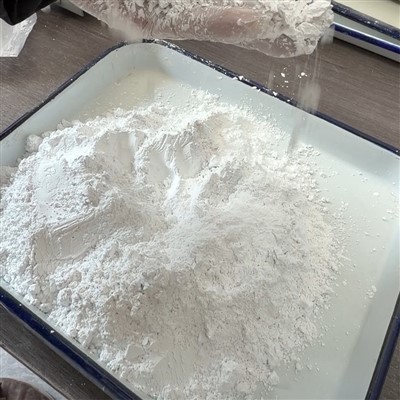
At the end of the day, calcium is non-negotiable for your bones, your heart, even your muscles—so getting the amount right matters. Don’t overdo it, don’t underdo it, and make sure the powder you’re using is actually the real deal. If you want to learn more, or pick up a sample, just reach out. We’re here to help, not just sell powder.
Synthetic Alkali Powder References
- Institute of Medicine (US) Committee to Review Dietary Reference Intakes for Vitamin D and Calcium. Dietary Reference Intakes for Calcium and Vitamin D. National Academies Press (US); 2011.
- National Institutes of Health Office of Dietary Supplements. Calcium Fact Sheet for Health Professionals. Updated 2023.
- American College of Obstetricians and Gynecologists. Calcium Requirements During Pregnancy and Lactation. Committee Opinion No. 546. 2013.
- Food and Drug Administration. Dietary Supplements: Labeling and Conveying Nutrient Content Information. 2022.
Chaohu Jirun Energy Conservation and Environmental Protection Technology Co., Ltd.
We’re well-known as one of the leading calcium carbonate powder manufacturers and suppliers in China, also support customized service. Welcome to wholesale high quality calcium carbonate powder in stock here from our factory. If you have any enquiry about pricelist, please feel free to email us.
Address: No. 9, north of the intersection of Weihai Road and Weili Avenue, within the industrial park of Yinping Town, Chaohu City, Hefei City, Anhui Province.
E-mail: 13305654485@163.com
WebSite: https://www.chaohujirun.com/
