As someone who’s spent the better part of a decade sourcing, testing, and manufacturing stainless steel kitchen equipment for busy commercial spaces and home chefs alike, I’ve heard the same question a hundred times: “Where can I buy high-quality stainless steel kitchen equipment that doesn’t break down after six months or cost a small fortune?” It’s a valid question—too many suppliers out there cut corners on material grade, welding, or structural integrity to undercut competitors, leaving customers stuck with gear that rusts, warps, or leaks right when they need it most. Today, I’m breaking down how to cut through the noise, what to actually look for, and where to find gear that’ll stand up to daily use for years. Stainless Steel Kitchen Equipment
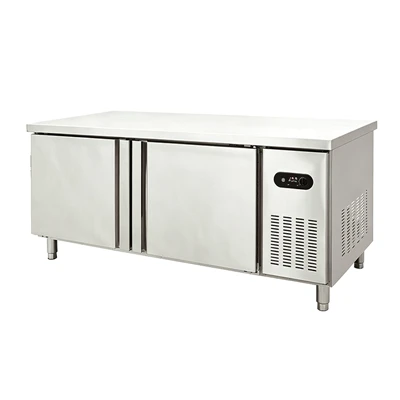
First, let’s get one thing straight: not all stainless steel is created equal. If you’re shopping for equipment that’ll be used in a commercial kitchen (think 100+ meals a day, constant washing with harsh chemicals, exposure to high heat and grease), you need 304-grade stainless steel. This is the industry standard for food contact applications—it resists corrosion, holds up to temperature swings, and is non-reactive, so it won’t leach chemicals into your food. The other common grade, 201, is sometimes used for cheaper gear, but it rusts easily in high-moisture or salty environments, making it a terrible long-term investment for any kitchen.
I’ve seen too many restaurateurs and home cooks skip over this detail just to save a few bucks. A line of 201 stainless steel prep tables might seem like a steal at first, but within a year, they’ll have brown rust spots along the welds, the surface will dent under the weight of a heavy stand mixer, and you’ll be replacing them before you know it. When you’re vetting suppliers, ask explicitly for the grade of stainless steel they use. Any reputable supplier will have this information front and center on their product specs, and if they hesitate to tell you, walk away.
Next, look at the construction details that separate premium gear from disposable stuff. Welding is a huge one. High-quality stainless steel equipment uses full-penetration, TIG welding, which creates a strong, seamless bond that doesn’t crack or separate over time. Cheaper suppliers use spot welding, which leaves weak points that can split open with regular use, especially on heavy items like sinks, hoods, or commercial ranges.
Also, check the gauge of the steel. Gauge refers to the thickness—lower numbers mean thicker, sturdier steel. For prep tables, work surfaces, and sinks, 16 to 18 gauge is ideal. Any thinner than 18 gauge will flex easily when you’re chopping, lifting heavy pots, or scrubbing the surface. For larger items like walk-in coolers or exhaust hoods, you might see 14 gauge, which is even more durable for bulk, high-pressure use. Again, if a supplier won’t tell you the gauge, or their gear is listed as “heavy duty” without specifying, it’s probably not as heavy duty as it sounds.
Now, let’s talk about where to actually shop. I’ll split this into two categories: commercial kitchen equipment buyers (restaurants, cafes, bakeries, institutional kitchens) and home chefs who want professional-grade stainless steel gear for their private spaces, since the needs and places to shop differ a bit.
For commercial buyers, the first stop should be reputable specialty stainless steel kitchen equipment suppliers, like the one I work for. We focus exclusively on food-grade stainless steel, source all our 304-grade material from certified mills, and conduct in-house quality checks on every single product that leaves our warehouse. We work directly with fabricators who specialize in commercial use, so we don’t cut corners on welding, gauge, or structural design. What sets specialty suppliers apart from big-box retailers is that they offer custom sizing too. If you have a unique space in your kitchen (like a narrow prep area or a non-standard sink cutout), a good supplier can build equipment to fit your exact dimensions, which is a game-changer for maximizing kitchen layout and workflow.
I know some commercial buyers used to turn to secondhand equipment markets to save money, and while that can be a good option for certain items, it’s a risky move for stainless steel. Used equipment might look clean on the surface, but it could have hidden rust, warp from past high-heat use, or have faulty parts that aren’t easy to replace. For example, a used commercial fryer might seem like a steal, but if the heating element is corroded inside, it could be a fire hazard or break down after a few uses. When you’re investing in your kitchen’s core equipment, it’s worth paying for new, certified gear that comes with a warranty—most quality suppliers offer at least a 1-year warranty on parts and labor, which covers you if something goes wrong.
Another good option for commercial buyers is industry trade shows. Events like the National Restaurant Association Show (usually held annually in major U.S. cities) or similar regional trade shows in other countries are where stainless steel kitchen equipment suppliers showcase their latest products, test designs, and offer exclusive discounts for bulk orders. The best part of trade shows is that you can see and touch the equipment in person, ask direct questions to the people who design and build it, and compare multiple suppliers side by side. I always tell new restaurateurs to block a day or two at a trade show before placing a big equipment order—it’s hard to beat being able to lift a prep table, run your finger along a weld, and test the pull of a sink faucet before committing to a purchase.
For home chefs who want high-quality stainless steel kitchen equipment, the options are a bit different. Big-box retailers like specialty home goods stores or online marketplaces have a wide range, but you have to be extra careful to check the grade and gauge here. I’ve seen brands marketed as “stainless steel” that use 201-grade steel, which will rust if you leave a wet sponge on the counter overnight, so always check the product description for 304-grade.
A lot of home chefs don’t realize that many commercial-grade stainless steel equipment is available for private purchase too. Some specialty suppliers (like mine) offer a line of residential stainless steel gear for home use, like oversized sinks, prep stations, range hoods, and even small commercial refrigerators, with the same 304-grade steel and sturdy construction as our commercial lines. This is a great middle ground between cheap home goods store gear and ultra-high-end designer stainless steel that costs twice as much. The key difference is that residential lines are sized to fit standard home spaces, but still built to handle heavy daily use, so they last much longer than standard home kitchen gear.
If you’re a home chef who wants to support small, specialized manufacturers, independent craft stainless steel fabricators are another option. These are small businesses that make custom stainless steel equipment for both commercial and residential clients. They might not have the name recognition of big brands, but they often use even higher quality materials, offer fully custom designs, and take the time to build each piece to order. I’ve worked with a few small fabricators over the years who make incredible custom backsplashes, prep tables, and even custom pizza ovens for home bakers, and while their prices are a bit higher than mass-produced residential gear, the quality is unmatched.
No matter if you’re a commercial buyer or a home chef, there are a few red flags to watch out for when shopping for stainless steel kitchen equipment. First, “stainless steel” is not a substitute for a grade number. If a product only says it’s made of stainless steel, no 304 or 201 designation, it’s almost definitely lower grade. Second, any price that seems too good to be true usually is. If a prep table that should cost $500 is being sold for $200, it’s likely made of thin, 201-grade steel with spot welds that will fall apart in months. Third, avoid suppliers that don’t provide clear product specs, warranties, or customer references. A reputable supplier should be able to send you photos of their manufacturing process, answer questions about their material sources, and have reviews from past customers (both commercial and residential) that you can check.
Let’s also talk about care, because even the highest quality stainless steel equipment won’t last if you don’t maintain it properly. For 304-grade stainless steel, you should clean it regularly with mild dish soap and warm water, avoid abrasive scouring pads that can scratch the surface, and never use bleach or harsh chlorine-based cleaners, which can cause corrosion over time. Wipe up standing water or spills immediately, especially if they have salt or acidic ingredients (like vinegar, tomato sauce, or citrus juice), which can etch or stain the surface if left on. For commercial equipment, regular deep cleaning and inspection of welds and seams will catch any small issues before they turn into big problems.
At the end of the day, buying high-quality stainless steel kitchen equipment is an investment—whether you’re running a business or outfitting your home kitchen. Cheap gear might save you money upfront, but the cost of replacing it, fixing rusted parts, or dealing with breakdowns will add up way more over time. The best way to ensure you’re getting quality is to do your research, ask questions about material grade, gauge, and construction, and buy from a supplier that stands behind their products.
Commercial Refrigeration Equipment If you’re in the market for stainless steel kitchen equipment—whether it’s custom commercial prep stations, residential sinks, or full commercial kitchen setups—we’re here to help. We work with restaurants, cafes, bakeries, and home chefs to build gear that fits your exact needs, uses 304-grade stainless steel, and comes with a warranty to give you peace of mind. If you have questions about our products, want to get a custom quote, or just want to chat about what gear is best for your space, reach out to our team to start the conversation. We’ve spent years building trust with kitchen owners because we prioritize quality over quick sales, and we’d be happy to help you find the right equipment for your needs.
References
- National Restaurant Association. (2022). Commercial Kitchen Equipment Standards and Best Practices. Retrieved from industry trade guidelines
- Stainless Steel Fabricators Association. (2021). Food-Grade Stainless Steel Specifications for Kitchen Applications. Retrieved from technical material standards
- U.S. Food and Drug Administration. (2020). Materials in Contact with Food: Stainless Steel Grades and Uses. Retrieved from food safety regulations
- Commercial Kitchen Association. (2023). Cost-Benefit Analysis of Long-Lasting vs. Disposable Kitchen Equipment. Retrieved from operational efficiency research
Zhejiang Anneng Kitchen Equipment Co., Ltd.
As one of the most experienced stainless steel kitchen equipment manufacturers and suppliers in China, we also accept customized order. With abundant experience, we warmly welcome you to wholesale advanced stainless steel kitchen equipment in stock from our factory. For quotation, contact us now.
Address: No. 1003 Donghai Avenue, Taizhou Bay New Area, Taizhou City, Zhejiang Province
E-mail: 13968527240@163.com
WebSite: https://www.annengkitchen.com/
