Hey there! I’m a supplier of dolomite powder, and I’ve been in this business for quite a while. One of the things that always comes up in discussions with customers is how humidity can affect dolomite powder. So, I thought I’d share my insights on this topic in today’s blog post. Dolomite Powder
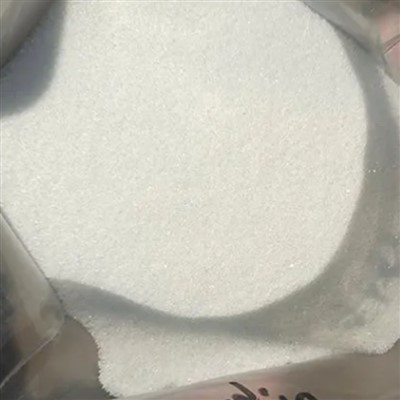
Alright, let’s start with the basics. Dolomite powder is a versatile material made from dolomite rock, which is a carbonate mineral. It’s used in a bunch of industries, like construction, agriculture, and even in the production of glass and ceramics. But humidity, that sneaky little factor, can really throw a wrench in the works when it comes to dolomite powder.
First off, humidity can mess with the physical properties of dolomite powder. When the air is humid, the powder tends to absorb moisture. You know how a sponge soaks up water? Well, dolomite powder is kind of like that on a smaller scale. As it absorbs moisture, it can start to clump together. These clumps are a big problem because they can make the powder uneven and less effective for its intended uses.
For instance, in the construction industry, dolomite powder is often used as a filler in concrete and other building materials. If it’s clumped up due to high humidity, the concrete won’t mix properly. The clumps won’t disperse evenly, which can lead to weak spots in the finished product. You don’t want your building to have weak spots, right?
In agriculture, dolomite powder is used to adjust the pH of soil and provide essential nutrients like calcium and magnesium to plants. But if it’s clumped, it’s difficult to spread evenly across the fields. This means that some areas of the soil might get too much of the powder, while others don’t get enough. That can mess up the soil’s balance and ultimately affect the health and growth of the plants.
Another issue with humidity and dolomite powder is related to its chemical stability. When dolomite powder absorbs moisture, it can undergo some chemical changes. The water can react with the minerals in the powder, especially if there are any impurities present. This can lead to the formation of new compounds, which might not have the same properties as the original dolomite powder.
For example, in the glass and ceramics industry, the purity of dolomite powder is crucial. Any chemical changes due to humidity can affect the quality of the end product. The glass might not be as clear or strong, and the ceramics might have defects or a different appearance than expected.
Let’s talk about storage. As a supplier, I’ve seen firsthand how important it is to store dolomite powder properly. In a humid environment, if you don’t take the right precautions, the powder can quickly go bad. You need to keep it in a dry place, ideally in sealed containers. If you’re using big bags, make sure they’re well-sealed to prevent moisture from getting in.
Some people might use desiccants in the storage area to absorb excess moisture. That’s a good idea, but it’s not a foolproof solution. You still need to monitor the humidity levels regularly. If the humidity gets too high, the desiccants might not be able to keep up, and the powder will start to absorb moisture anyway.
Transportation is also a challenge when it comes to humidity. If you’re shipping dolomite powder in humid conditions, you have to make sure the packaging is moisture-resistant. Otherwise, by the time it reaches the customer, it could be in a pretty sorry state. I’ve had customers complain about receiving clumpy powder because the shipping conditions weren’t right. It’s frustrating for everyone involved.
So, how can you tell if humidity has affected your dolomite powder? Well, the most obvious sign is clumping. If you see big chunks in the powder instead of a fine, flowing substance, that’s a red flag. You can also do some simple tests. For example, you can measure the moisture content of the powder. There are inexpensive moisture meters available that can give you a quick and accurate reading.
If you find that your dolomite powder has been affected by humidity, what can you do? In some cases, you might be able to break up the clumps by sieving the powder through a fine mesh. But if the chemical changes are significant, the powder might be too far gone, and you’ll have to replace it.
As a supplier, I always try to educate my customers about the importance of handling dolomite powder properly in different humidity conditions. I provide them with guidelines on storage and transportation, and I’m always available to answer any questions they might have.
Now, if you’re in the market for high-quality dolomite powder, I’m your guy. I’ve got a great supply of dolomite powder that’s carefully sourced and processed to ensure the best quality. Whether you’re in construction, agriculture, or any other industry that uses dolomite powder, I can meet your needs.
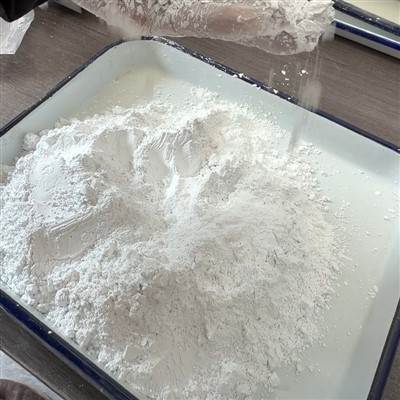
If you’re interested in learning more or want to discuss a potential purchase, just reach out. I’m happy to have a chat and see how we can work together to get you the right dolomite powder for your project.
Calcium Carbonate Powder References
- "The Properties and Uses of Dolomite" – A general geology textbook on carbonate minerals
- Industry reports on the use of dolomite powder in construction and agriculture
- Research papers on the chemical reactions of dolomite in the presence of moisture
Chaohu Jirun Energy Conservation and Environmental Protection Technology Co., Ltd.
We’re well-known as one of the leading dolomite powder manufacturers and suppliers in China, also support customized service. Welcome to wholesale high quality dolomite powder in stock here from our factory. If you have any enquiry about pricelist, please feel free to email us.
Address: No. 9, north of the intersection of Weihai Road and Weili Avenue, within the industrial park of Yinping Town, Chaohu City, Hefei City, Anhui Province.
E-mail: 13305654485@163.com
WebSite: https://www.chaohujirun.com/
