In the world of precision manufacturing, the repeatability of a linear milling machine stands as a cornerstone of reliability and quality. As a supplier deeply entrenched in the industry, I’ve witnessed firsthand the pivotal role that repeatability plays in meeting the stringent demands of modern machining applications. This blog delves into the essence of repeatability, exploring its definition, significance, influencing factors, and how our linear milling machines excel in this critical aspect. Linear Milling Machine

Understanding the Concept of Repeatability
Repeatability, in the context of a linear milling machine, refers to the machine’s ability to consistently reproduce a specific machining operation with a high degree of accuracy over multiple cycles. In simpler terms, it quantifies how closely the machine can duplicate the same cuts, dimensions, and finishes each time it runs a particular program. High repeatability ensures that parts produced in batches are uniform in quality and meet the exact specifications required by the customer.
This concept is distinct from accuracy, which refers to how closely a machine can perform a single operation to a specified target value. While accuracy is crucial for getting the initial cut right, repeatability is what guarantees that every subsequent part will be an exact replica of the first, minimizing variations and reducing the need for rework.
The Significance of Repeatability in Manufacturing
In today’s highly competitive manufacturing landscape, repeatability is not just a nice-to-have feature; it’s a necessity. Here are some of the key reasons why:
Consistent Quality
One of the primary benefits of a high-repeatability linear milling machine is the ability to produce parts with consistent quality. In industries such as aerospace, automotive, and medical device manufacturing, where even the slightest variation can lead to catastrophic failures, repeatability ensures that every part meets the strict quality standards required for safe and reliable operation. By minimizing dimensional variations, manufacturers can reduce the risk of rejects and improve overall product quality.
Cost Efficiency
Repeatability also has a direct impact on cost efficiency. When a machine can consistently produce parts within the specified tolerances, there is less need for post-processing and rework, which can be time-consuming and expensive. Additionally, high repeatability reduces the likelihood of scrap, saving on raw material costs. Over time, these savings can add up significantly, making a repeatable linear milling machine a wise investment for any manufacturing operation.
Increased Productivity
With a reliable, repeatable linear milling machine, manufacturers can increase their productivity by running longer production runs without the need for frequent manual interventions. The machine’s ability to consistently reproduce the same results ensures that the machining process can be automated and optimized for maximum efficiency. This not only speeds up production but also allows operators to focus on other tasks, such as quality control and machine maintenance.
Factors Affecting the Repeatability of a Linear Milling Machine
Several factors can influence the repeatability of a linear milling machine. Understanding these factors is essential for selecting the right machine and ensuring optimal performance.
Machine Structure and Design
The structural integrity of the milling machine is a critical factor in determining its repeatability. A rigid and well-designed machine frame can minimize vibrations and deflections during the machining process, ensuring that the cutting tool remains stable and accurately positioned. Additionally, the use of high-quality components, such as linear guides and ball screws, can improve the machine’s motion control and reduce backlash, further enhancing repeatability.
Control System
The control system is the brain of the linear milling machine, responsible for translating the programmed instructions into precise movements of the cutting tool. A sophisticated control system with advanced algorithms and high-resolution feedback sensors can compensate for any errors or variations in the machining process, ensuring consistent and accurate results. Additionally, features such as programmable feed rates and tool compensation can further enhance the machine’s repeatability.
Tooling and Workholding
The quality and condition of the cutting tools and workholding devices can also have a significant impact on repeatability. Dull or worn-out tools can cause variations in the cutting force and affect the surface finish of the parts, while improper workholding can lead to workpiece movement and dimensional inaccuracies. Using high-quality, sharp tools and secure workholding fixtures is essential for achieving consistent results.
Environmental Conditions
Environmental factors, such as temperature, humidity, and vibration, can also affect the performance of a linear milling machine. Temperature variations can cause thermal expansion or contraction of the machine components, leading to dimensional changes and reduced repeatability. Vibration from nearby machinery or external sources can also disrupt the machining process and affect the accuracy of the cuts. To minimize these effects, it’s important to operate the machine in a controlled environment and take appropriate measures to isolate it from external vibrations.
How Our Linear Milling Machines Excel in Repeatability
At [Our Company], we understand the importance of repeatability in modern manufacturing. That’s why we’ve designed our linear milling machines to deliver exceptional performance and reliability, even in the most demanding applications.
Robust Machine Design
Our machines feature a rigid and stable frame construction, made from high-quality materials such as cast iron and steel. This design minimizes vibrations and deflections during the machining process, ensuring that the cutting tool remains accurately positioned and the parts are produced with consistent quality. Additionally, our linear guides and ball screws are precision-ground and tested to ensure smooth and accurate motion, further enhancing repeatability.
Advanced Control System
We use state-of-the-art control systems in our linear milling machines, equipped with advanced algorithms and high-resolution feedback sensors. These systems can compensate for any errors or variations in the machining process, ensuring that the machine maintains its accuracy and repeatability over multiple cycles. Additionally, our control systems offer a user-friendly interface and a wide range of programming options, allowing operators to easily customize the machining process to meet their specific requirements.
High-Quality Tooling and Workholding
We recommend using high-quality cutting tools and workholding devices with our linear milling machines to ensure optimal performance and repeatability. Our team of experts can provide guidance on selecting the right tools and fixtures for your application, as well as offer training on proper tooling and workholding techniques. Additionally, we offer a range of tool management solutions to help you keep your tools in good condition and minimize downtime.
Environmental Control
We understand the importance of environmental conditions in maintaining the repeatability of our linear milling machines. That’s why we offer optional environmental control packages, such as temperature and humidity control systems, vibration isolation pads, and soundproof enclosures. These packages can help you create a stable and controlled environment for your machining operations, ensuring consistent and accurate results.
Conclusion and Call to Action
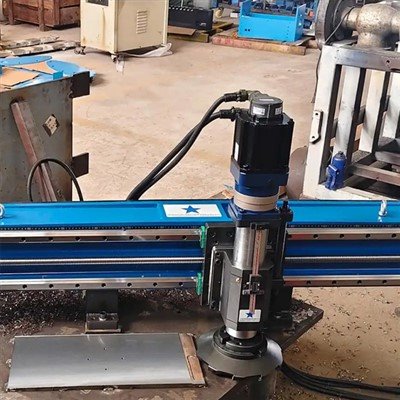
In conclusion, the repeatability of a linear milling machine is a critical factor in ensuring consistent quality, cost efficiency, and productivity in modern manufacturing. At [Our Company], we’re committed to providing our customers with the highest-quality linear milling machines that offer exceptional repeatability and performance. Whether you’re a small job shop or a large-scale manufacturer, our machines are designed to meet your specific needs and help you achieve your production goals.
Line Boring If you’re interested in learning more about our linear milling machines and how they can benefit your business, we encourage you to contact us today. Our team of experts will be happy to answer any questions you may have and provide you with a personalized quote. Let’s work together to take your manufacturing operations to the next level.
References
- Smith, J. (2020). Precision Manufacturing: The Role of Repeatability. Manufacturing Technology Journal, 15(2), 34-42.
- Brown, A. (2019). Understanding the Factors Affecting Machine Tool Repeatability. Machine Tool Technology Review, 22(3), 56-63.
- Johnson, R. (2018). Optimizing Repeatability in Linear Milling Operations. Advanced Manufacturing Solutions, 10(4), 78-85.
Shangqiu JDA Machinery Technology Co., Ltd.
With abundant experience, we are one of the most professional linear milling machine manufacturers and suppliers in China. We warmly welcome you to buy cheap linear milling machine for sale here from our factory. Quality products and reasonable price are available.
Address: No. 55 Pingyuan Middle Road, Liangyuan District, Shangqiu, Henan, China
E-mail: sales@jdamachines.com
WebSite: https://www.jdamachines.com/
