As a supplier of electric hoists, I’ve had numerous conversations with customers who are curious about the inner workings of these powerful machines. One of the most frequently asked questions is about the hoisting mechanism of an electric hoist. In this blog post, I’ll delve into the details of what makes an electric hoist’s hoisting mechanism tick, exploring its components, how it operates, and why it’s a crucial part of various industries. Electric Hoist
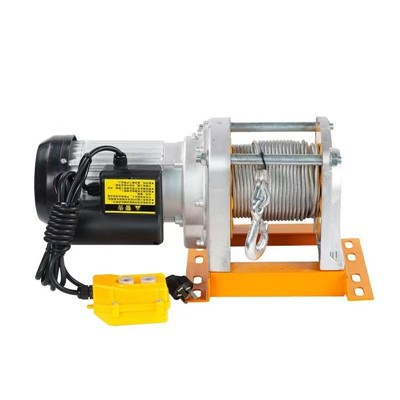
Components of an Electric Hoist Hoisting Mechanism
The hoisting mechanism of an electric hoist is composed of several key components, each playing a vital role in the overall functionality of the device. Understanding these components is essential for anyone looking to purchase or operate an electric hoist effectively.
Motor
The motor is the heart of the electric hoist’s hoisting mechanism. It converts electrical energy into mechanical energy, providing the power needed to lift and lower loads. There are different types of motors used in electric hoists, with the most common being the squirrel – cage induction motor. This type of motor is known for its reliability, simplicity, and ability to handle heavy – duty applications. It operates on the principle of electromagnetic induction, where a rotating magnetic field is created in the stator, inducing a current in the rotor, which then causes the rotor to rotate.
The power rating of the motor determines the hoisting capacity of the electric hoist. Higher – power motors can lift heavier loads, but they also consume more energy. As a supplier, we work closely with our customers to select the appropriate motor based on their specific lifting requirements.
Gearbox
Connected to the motor, the gearbox is responsible for reducing the high – speed rotation of the motor to a lower, more suitable speed for lifting purposes. It consists of a series of gears, each with a different number of teeth. By meshing these gears together, the gearbox can achieve the desired gear ratio, which determines the speed and torque of the hoist.
There are different types of gearboxes used in electric hoists, such as helical gearboxes and worm gearboxes. Helical gearboxes are known for their high efficiency, smooth operation, and quiet performance. They are often used in high – end electric hoists where precision and reliability are crucial. Worm gearboxes, on the other hand, are simple in design and can provide a high gear ratio in a compact package. They are commonly used in smaller electric hoists or applications where space is limited.
Drum and Rope
The drum is a cylindrical component that is connected to the output shaft of the gearbox. As the gearbox rotates the drum, it winds or unwinds the rope, which is attached to the load. The rope is typically made of high – strength steel, which can withstand the heavy loads and stresses associated with lifting operations.
The size and diameter of the drum determine the length of the rope that can be wound on it, as well as the lifting speed of the hoist. A larger drum can hold more rope, allowing for greater lifting heights, but it may also result in a slower lifting speed. As a supplier, we offer a range of drum sizes and rope lengths to meet the diverse needs of our customers.
Brake
The brake is a safety – critical component of the electric hoist’s hoisting mechanism. It is used to hold the load in place when the hoist is not in motion, preventing it from accidentally descending. The brake is typically electromechanical or electromagnetic and is automatically engaged when the power to the motor is cut off.
There are two main types of brakes used in electric hoists: spring – set brakes and electromagnetic brakes. Spring – set brakes use a spring to apply the braking force when the power is off, while electromagnetic brakes use an electromagnetic coil to engage the brake. Both types of brakes are designed to be fail – safe, ensuring that the load remains secure even in the event of a power outage.
How the Hoisting Mechanism Operates
Now that we’ve covered the main components of the hoisting mechanism, let’s take a look at how they work together to lift and lower loads.
When the operator activates the hoist using the control pendant, an electrical signal is sent to the motor. The motor then starts to rotate, driving the gearbox. The gearbox reduces the motor’s speed and increases the torque, which is transmitted to the drum. As the drum rotates, it winds or unwinds the rope, depending on whether the load is being lifted or lowered.
During the lifting process, the brake is released to allow the drum to rotate freely. When the operator stops the hoist, the power to the motor is cut off, and the brake is automatically engaged to hold the load in place.
The speed and direction of the hoist can be controlled by the operator using the control pendant. Most electric hoists offer variable speed control, allowing the operator to adjust the lifting speed according to the requirements of the task. This provides greater flexibility and precision in lifting operations.
Importance of the Hoisting Mechanism in Various Industries
The hoisting mechanism of an electric hoist plays a crucial role in a wide range of industries, including manufacturing, construction, mining, and logistics. Here are some examples of how electric hoists are used in different sectors:
Manufacturing
In the manufacturing industry, electric hoists are used to lift and move heavy machinery, raw materials, and finished products. They are essential for assembly lines, where they can be used to position components accurately and efficiently. Electric hoists also help to improve productivity by reducing the time and effort required to move heavy loads manually.
Construction
In the construction industry, electric hoists are used to lift building materials, tools, and personnel to different levels of a construction site. They are often used in high – rise buildings, where cranes may not be suitable for certain tasks. Electric hoists provide a safe and efficient way to transport materials and equipment, improving the overall efficiency of the construction process.
Mining
In the mining industry, electric hoists are used to lift ore, coal, and other minerals from underground mines to the surface. They are also used to move heavy equipment and supplies within the mine. The hoisting mechanism of an electric hoist is designed to withstand the harsh conditions of the mining environment, including high temperatures, dust, and humidity.
Logistics
In the logistics industry, electric hoists are used in warehouses and distribution centers to load and unload goods from trucks and containers. They are also used to stack pallets and move heavy items within the facility. Electric hoists help to improve the speed and efficiency of the logistics process, reducing the time and cost associated with manual handling.
Why Choose Our Electric Hoists
As a leading supplier of electric hoists, we pride ourselves on offering high – quality products that are reliable, safe, and efficient. Our electric hoists are designed and manufactured to meet the highest industry standards, using the latest technology and materials.
We offer a wide range of electric hoists to suit different applications and requirements. Whether you need a small, lightweight hoist for a workshop or a heavy – duty hoist for industrial use, we have the right solution for you. Our team of experts can also provide customized solutions to meet your specific needs.
In addition to our high – quality products, we also offer excellent customer service. We provide technical support, installation, and maintenance services to ensure that your electric hoist operates smoothly and efficiently. We also offer competitive pricing and fast delivery times, making us the preferred choice for many customers.
Conclusion

The hoisting mechanism of an electric hoist is a complex and sophisticated system that plays a crucial role in various industries. By understanding its components, how it operates, and its importance, you can make an informed decision when choosing an electric hoist for your application.
Electric Hoist If you’re in the market for an electric hoist, we invite you to contact us to discuss your requirements. Our team of experts will be happy to provide you with more information about our products and services, and help you select the right electric hoist for your needs.
References
- Crane Manufacturers Association of America (CMAA). "CMAA Specifications for Electric Overhead Traveling Cranes and Monorail Systems."
- Hoist Manufacturers Institute (HMI). "Hoist Safety Guidelines."
- Machinery’s Handbook, 31st Edition. Industrial Press.
Hebei Hengtai Crane Machinery Manufacturing Co., Ltd.
As one of the leading electric hoist manufacturers in China, we warmly welcome you to buy bulk discount electric hoist in stock here from our factory. All customized products are with high quality and low price. For more cheap products, contact us now.
Address: Weigezhuang Village, Donglu Township, Qingyuan District, Baoding City, Hebei Province
E-mail: hbht@cnhengtai.com
WebSite: https://www.cnhengtai.com/
