Can Silane Coupling Agent be used in the agricultural industry? Silane Coupling Agent
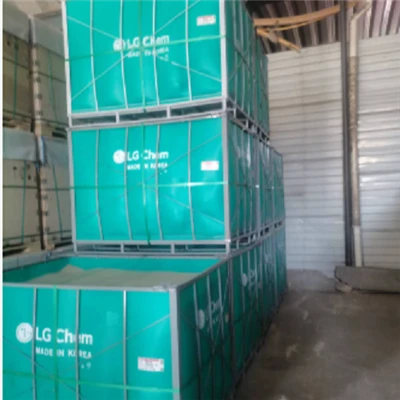
As a supplier of silane coupling agents, I’ve always been intrigued by the wide – ranging applications of these remarkable chemicals. Silane coupling agents are well – known in industries such as plastics, coatings, and adhesives. However, a question that has been increasingly asked in recent times is whether they can find a place in the agricultural industry. In this blog post, I will delve into this topic, exploring the potential uses, benefits, and challenges of using silane coupling agents in agriculture.
Understanding Silane Coupling Agents
Before we discuss their application in agriculture, it’s essential to understand what silane coupling agents are. Silane coupling agents are organosilicon compounds with a general formula of Y(CH₂)nSiX₃, where Y is an organic functional group, n is a non – negative integer, and X is a hydrolyzable group. The unique structure of silane coupling agents allows them to bridge inorganic and organic materials. The hydrolyzable groups (X) can react with inorganic surfaces like glass, metal oxides, and minerals, while the organic functional group (Y) can react with organic polymers or molecules.
Potential Applications in Agriculture
Soil Improvement
One of the most promising applications of silane coupling agents in agriculture is soil improvement. Many soils around the world suffer from issues such as poor structure, low water – holding capacity, and high compaction. Silane coupling agents can be used to modify the surface properties of soil particles. For example, when added to soil, the hydrolyzable groups of the silane can react with the surface of soil minerals, creating a coating on the particles. This coating can improve the aggregation of soil particles, leading to better soil structure.
A well – structured soil has larger pore spaces, which allow for better infiltration of water and air. This can enhance root penetration and growth, as roots can access water and nutrients more easily. Additionally, improved soil aggregation can reduce soil erosion, as the aggregated particles are more resistant to the forces of wind and water.
Fertilizer Enhancement
Silane coupling agents can also play a role in fertilizer enhancement. Traditional fertilizers often face problems such as low nutrient utilization efficiency. Nutrients can be lost through leaching, volatilization, or fixation in the soil. By using silane coupling agents, we can modify the surface of fertilizer particles.
The silane coating can create a controlled – release mechanism for fertilizers. The organic functional group can interact with the fertilizer molecules, and the inorganic – reactive part can bind to soil particles. This helps to slow down the release of nutrients, ensuring that they are available to plants over a longer period. For example, in the case of nitrogen – based fertilizers, silane – coated particles can reduce nitrogen loss through volatilization and leaching, improving the overall efficiency of nitrogen use in agriculture.
Pesticide Formulation
In pesticide formulation, silane coupling agents can offer several advantages. Pesticides need to adhere well to plant surfaces to be effective. However, many plant surfaces are hydrophobic, which can make it difficult for water – based pesticide formulations to spread and adhere. Silane coupling agents can be used to modify the surface of pesticides or plant leaves.
By adding silane coupling agents to pesticide formulations, the agents can react with both the pesticide molecules and the plant surface. The hydrolyzable groups can bond to the plant’s waxy cuticle, while the organic functional group can interact with the pesticide. This improves the adhesion of pesticides to plant surfaces, reducing the amount of pesticide runoff and increasing its effectiveness. It also helps to prevent the pesticide from being washed off by rain, ensuring a longer – lasting protection for crops.
Benefits of Using Silane Coupling Agents in Agriculture
Environmental Benefits
The use of silane coupling agents in agriculture can have significant environmental benefits. As mentioned earlier, in fertilizer applications, silane – coated fertilizers can reduce nutrient loss. This means less nitrogen, phosphorus, and potassium leaching into water bodies, which can help prevent eutrophication. Eutrophication is a major environmental problem that can lead to the growth of harmful algal blooms, oxygen depletion in water bodies, and damage to aquatic ecosystems.
In pesticide applications, improved adhesion and reduced runoff mean less pesticide entering the environment. This can decrease the impact of pesticides on non – target organisms, such as beneficial insects, birds, and fish.
Economic Benefits
From an economic perspective, the use of silane coupling agents can be cost – effective in the long run. In soil improvement, better soil structure can lead to higher crop yields. Crops will grow more vigorously in well – structured soil, with better access to water and nutrients.
In fertilizer and pesticide applications, the increased efficiency of these agro – chemicals means that farmers can use less of them to achieve the same or better results. This can lead to cost savings on the purchase of fertilizers and pesticides. Additionally, the reduced environmental impact can also save on potential costs associated with environmental remediation.
Challenges of Using Silane Coupling Agents in Agriculture
Cost
One of the main challenges of using silane coupling agents in agriculture is the cost. Silane coupling agents can be relatively expensive compared to traditional agricultural inputs. For farmers, especially those in developing countries or with small – scale operations, the additional cost of using silane – enhanced products may be prohibitive. However, as the technology develops and production scales up, the cost of silane coupling agents is likely to decrease.
Compatibility
There may also be compatibility issues when using silane coupling agents with other agricultural chemicals. For example, in pesticide formulations, some pesticides may react with the silane coupling agents in unexpected ways, leading to changes in the properties of the formulation. This requires careful testing and optimization to ensure that the combination of silane coupling agents and other agro – chemicals is stable and effective.
Regulatory Approval
The agricultural industry is highly regulated, and introducing new products like silane – enhanced fertilizers or pesticides requires regulatory approval. Proving the safety and efficacy of these products can be a time – consuming and expensive process. Companies need to conduct extensive research and testing to meet the regulatory requirements, which can slow down the adoption of silane coupling agents in agriculture.
Conclusion
In conclusion, silane coupling agents have great potential for use in the agricultural industry. They can be used in soil improvement, fertilizer enhancement, and pesticide formulation, offering both environmental and economic benefits. However, there are still challenges to overcome, such as cost, compatibility, and regulatory approval.
As a silane coupling agent supplier, I believe that with further research and development, we can find solutions to these challenges. I am excited about the possibility of making silane – enhanced agricultural products more accessible and practical for farmers around the world.

If you are interested in exploring the use of silane coupling agents in your agricultural operations or have any questions about our products, I encourage you to reach out. We are more than happy to discuss how our silane coupling agents can be tailored to your specific needs and help you achieve better agricultural outcomes.
Dithiocarbamates References:
- Plueddemann, E. P. (1991). Silane coupling agents. Springer Science & Business Media.
- Huang, C., & Schulten, H. – R. (2005). Influence of silane coupling agents on the properties of polymer – modified mortars. Cement and Concrete Research, 35(10), 1893 – 1901.
- Xing, B. (2001). Environmental chemistry of pesticides. Academic Press.
Heze Great Bridge Chemical Co., Ltd.
With abundant experience, we are one of the most professional silane coupling agent manufacturers and suppliers in China. We warmly welcome you to buy high quality silane coupling agent in stock here and get pricelist from our factory. Good service and reasonable price are available.
Address: No.1679 Renmin Road,Heze City,Shandong,China
E-mail: export@greatbridge-chem.com
WebSite: https://www.greatbridgechem.com/
