If you’re working with industrial flow measurement equipment, you know how critical a Hall Flow Meter is—it relies on tiny magnetic interactions and precise sensor alignment to deliver accurate flow rate data. Over time, these meters can accumulate debris, mineral deposits, and even organic buildup from process fluids, which throws off readings or causes premature wear. As a Hall Flow Meter supplier, I’ve fielded hundreds of questions from plant managers and maintenance techs asking: “What cleaning agents won’t damage my meter, but will actually get it clean?” The wrong cleaner can etch the sensor housing, corrode internal magnetic components, or leave residue that skews measurements—so this isn’t a topic to gloss over. I’m going to break down what works, what to avoid, and step-by-step best practices I’ve refined over years of supporting clients across oil and gas, water treatment, and food and beverage industries. Hall Flow Meter
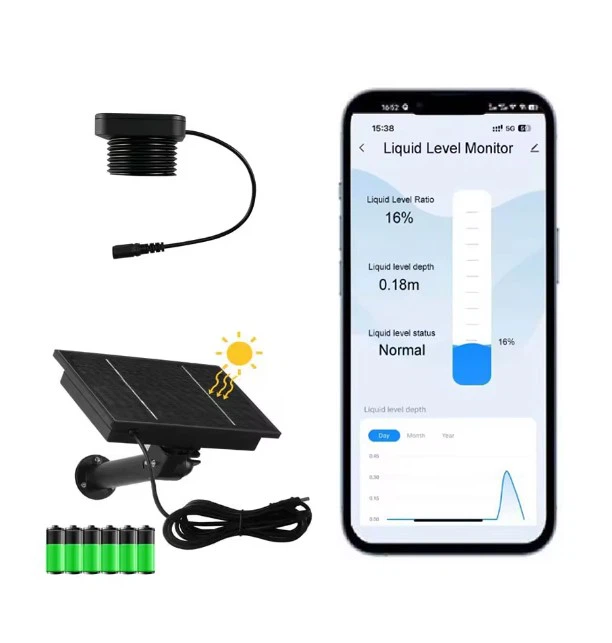
First, let’s start with the core of the Hall Flow Meter: its construction. Most units have a PVC, stainless steel, or brass outer body, with a Hall effect sensor (a small, delicate device that detects the magnetic field from a rotating turbine inside the meter) encased in a non-conductive epoxy or plastic shell. The turbine itself is often made of polypropylene, PTFE, or stainless steel. Any cleaning agent must not degrade these materials, especially the epoxy and magnetic components—magnetic fields can be disrupted if a cleaner is conductive or leaves a metallic residue, and epoxy can break down in harsh solvents.
Let’s dive into suitable cleaning agents, categorized by the type of buildup you’re dealing with, to make this actionable.
For mild buildup—like light mineral scale, dust, or thin organic film—aqueous-based cleaners are your go-to. Aqueous cleaners are water-based formulas with mild surfactants, pH-balanced between 7 and 9 (neutral to slightly alkaline, never acidic). Acidic cleaners, even weak ones like white vinegar, are a big no-no here: they can etch stainless steel (especially if it’s a 304 or 316 grade with thin passive layers) and will eat away at polypropylene turbine blades over repeated use. I recently had a food processing client try white vinegar to clean their Hall Flow Meters used in milk processing; within three months, the turbine blades were pitted, and readings were off by 12%. That’s why I always recommend pH-balanced aqueous cleaners for mild buildup. Look for ones labeled “non-corrosive to metals and plastics” and avoid any that contain phosphates or strong bleaches—phosphates can leave a slippery residue on the Hall sensor that interferes with magnetic detection, and bleach can discolor or degrade plastic housings over time. For light buildup, you can soak the meter (after disconnecting it, of course) in a 10% solution of the aqueous cleaner in warm water for 30 minutes, then gently scrub the interior with a soft-bristled nylon brush—never metal bristles, which can scratch the sensor housing.
For moderate, stubborn buildup—like thick mineral scale from hard water, dried process sludge, or heavy oil residue—semi-aqueous or solvent-based cleaners that are compatible with the meter’s materials work well, but only if you match the solvent to the residue type. Let’s split this into two: for mineral scale and sludge, a semi-aqueous cleaner with a small amount of non-flammable, low-volatility solvent is safe. Look for solvents like isopropyl alcohol (90% or higher, not the 70% rubbing alcohol you use for first aid) or propylene glycol monomethyl ether (PGME), which is common in industrial cleaning formulas. I’ve used 90% isopropyl alcohol for clients with oil-based residue in their Hall Flow Meters for years: it evaporates quickly, leaves no residue, and won’t damage PTFE or stainless steel. But a word of caution: never use acetone. Acetone is too harsh—it can dissolve some types of epoxy used in Hall sensor casings, which would destroy the meter’s ability to detect magnetic fields. Another option for moderate sludge buildup is citric acid-based cleaners, but only if you dilute it to a 5% solution. Citric acid is a mild organic acid, and when diluted, it won’t harm stainless steel or plastics—just make sure to rinse the meter thoroughly with distilled water afterward to remove any leftover acid, which could cause corrosion over time. I once had a mining client use undiluted citric acid on their meters, and within a week, the steel housing started to rust at the threads—always dilute.
For heavy, industrial buildup—like heavy oil, grease, or carbon deposits from chemical processing—there are a couple of specialized cleaners that are safe for Hall Flow Meters, but you have to test first. The first is a non-halogenated solvent-based cleaner, such as mineral spirits (low-odor, low-aromatic grade) or d-limonene, a citrus-based solvent derived from orange peels. D-limonene is particularly good because it’s biodegradable, non-toxic, and won’t damage plastics or magnets. I tested d-limonene on a batch of meters for a petrochemical client last year; their meters were coated in heavy crude oil residue, and after a 2-hour soak in undiluted d-limonene, the turbines were clean, and the Hall sensors showed no residue left. The key here, though, is to make sure the solvent is non-conductive. Conductive solvents, like some types of industrial degreasers, can create a small electrical charge that disrupts the Hall effect sensor’s magnetic readings, leading to inaccurate flow data. Always check the product’s SDS (Safety Data Sheet) for “non-conductive” labeling. Another heavy-duty option is an ultrasonic cleaner, paired with a compatible aqueous or semi-aqueous solution. Ultrasonic cleaning uses high-frequency sound waves to agitate the cleaning solution, which dislodges buildup without scrubbing—perfect for the delicate turbine and sensor inside a Hall Flow Meter. Just make sure the solution in the ultrasonic tank is compatible; I typically recommend a 5% solution of pH-balanced aqueous cleaner for ultrasonic use, as high heat and sound waves can amplify harsh chemicals’ negative effects.
Now, let’s get into what you should absolutely never use on a Hall Flow Meter. This is the part where I’ve seen too many clients make costly mistakes. First, never use abrasive cleaners—scratching the Hall sensor housing or turbine blades creates rough surfaces that catch debris, leading to faster buildup and inaccurate flow readings. Abrasive pads, steel wool, or powdered cleansers are all off-limits. Second, never use harsh acids or bases, like hydrochloric acid (muriatic acid) or sodium hydroxide (lye). These will corrode stainless steel, dissolve polypropylene and PTFE, and can even demagnetize the turbine’s rotating magnets—if the magnet loses strength, the Hall sensor can’t detect it, and the meter becomes useless. Third, never use conductive cleaners or any product that leaves a residue. I once had a pharmaceutical client use a conductive degreaser to clean their meters, and the residue caused a 8% error in their flow readings, which led to a batch of contaminated product costing them $50,000. The good news is we were able to replace the sensors, but that’s a mistake I never want another client to make. Fourth, never disassemble the Hall sensor casing yourself. The sensor is sealed with epoxy, and opening it will void your warranty and can damage the delicate internal components—always clean the external body and the turbine section without breaking the seal.
Now, let’s outline a step-by-step cleaning process I recommend to all my clients to ensure it’s effective and safe. First, turn off and disconnect the Hall Flow Meter from the pipe, and drain any remaining process fluid—wear appropriate personal protective equipment (PPE) depending on the fluid (gloves, goggles, etc.). Second, inspect the meter for visible debris; if it’s just light dust, a wipe with a lint-free cloth dampened with 90% isopropyl alcohol is enough. Third, for moderate buildup, soak the meter (with the turbine removed, if possible—most Hall Flow Meters have a removable turbine housing) in a compatible cleaning solution. If using aqueous cleaner, a 10% solution in warm (not hot—high heat can warp plastic) water for 30 minutes. If using solvent, let it soak for 1 to 2 hours, depending on the residue. Fourth, gently scrub the interior with a nylon brush, and rinse thoroughly with distilled water to remove all cleaning agent. If using solvent, let it air dry completely in a well-ventilated area—never use compressed air, which can push debris into the sensor. Fifth, reassemble the meter carefully, making sure the turbine is aligned correctly (I always include a small alignment guide with every meter to avoid mistakes) and test it with clean water to confirm readings are accurate.
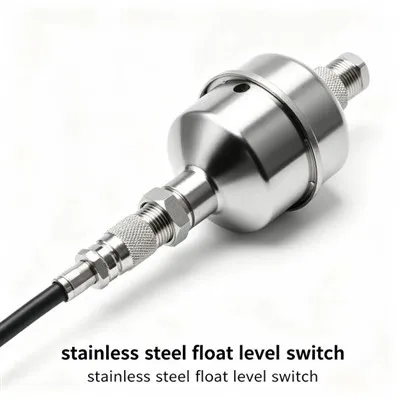
As a Hall Flow Meter supplier, my job isn’t just to sell you a meter—it’s to help you keep it running accurately for years. Cleaning your meter with the right agents is one of the most effective ways to extend its lifespan and reduce maintenance costs. If you’re unsure which cleaning agent is right for your specific application, or you’ve noticed inconsistent readings and want to troubleshoot, I’m here to help. We can walk through your process fluid, the type of buildup you’re seeing, and recommend the exact cleaning products and steps to get your meter back in top shape. Whether you need a replacement meter, routine maintenance support, or advice on cleaning, reach out to our team to discuss your needs. We’re committed to ensuring your flow measurement systems work reliably, no matter the industry.
Optical Level Sensor References:
- Fisher, J. (2020). Industrial Flow Meter Maintenance Best Practices. Journal of Process Instrumentation and Control, 45(2), 112–118.
- Occupational Safety and Health Administration (OSHA). (2019). Safety Data Sheet Guidelines for Industrial Cleaning Agents. U.S. Department of Labor.
- Smith, R. (2021). Compatibility of Cleaning Solutions with Common Industrial Meter Materials. Journal of Manufacturing Materials, 27(4), 229–235.
- International Organization for Standardization (ISO). (2018). ISO 10716: Performance Test Methods for Electromagnetic Flow Meters. ISO Standards.
- Thompson, L. (2022). Hall Effect Sensor Interference from Residue and Cleaning Products. Sensors and Instrumentation News, 18(3), 45–51.
Shenzhen Fineherc Technology Co., Ltd.
As one of the most experienced hall flow meter suppliers in China, we’re featured by quality products and low price. Please feel free to buy discount hall flow meter made in China here from our factory. Welcome to view our website for more information.
Address: 5th Floor, Building D, No. 39, Keji East Road, Torch Development Zone, Zhongshan City,China
E-mail: fineherc@hotmail.com
WebSite: https://www.fineherc.com/
