When a customer first walks into my warehouse and runs a hand over a bolt of wrinkle rayon fabric, I always see the moment their curiosity clicks. They expect a fabric that’s messy, easy to fold, and maybe a little rough around the edges—but that’s the biggest misconception. As a wrinkle rayon supplier, I’ve spent 12 years working with this material, testing its limits, and explaining exactly what makes it different from regular rayon, cotton, or even other casual fabrics. Today, I want to break down the real characteristics of wrinkle rayon, straight from someone who’s spent hundreds of hours with it, not from a textbook. Wrinkle Rayon
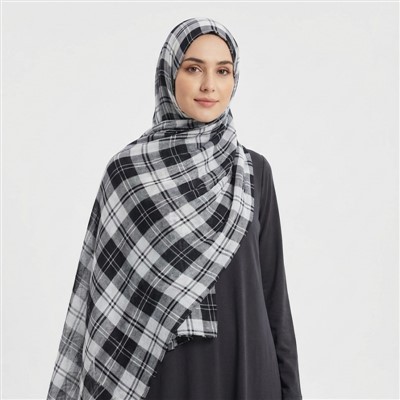
First, let’s get clear on what wrinkle rayon even is. It’s not a “mistake” in fabric production, and it’s not the same as the crinkly fabric you grab at a discount store for a last-minute costume. It’s a type of rayon that’s engineered (or, in some cases, finished post-production) to have a consistent, subtle texture—usually a soft, uneven crinkle that’s not sharp or stiff. The base material is almost always viscose rayon, which is derived from wood pulp (usually pine or eucalyptus, depending on the mill) so it’s naturally breathable, unlike synthetic fabrics like polyester. But the key characteristics come from how that base is processed.
One of the most defining traits of wrinkle rayon is its intentional, permanent crinkle. Unlike regular rayon, which wrinkles easily with minor movement or moisture, wrinkle rayon is treated to hold its texture without getting messy. Wait, let me correct that: it doesn’t hold crinkle like a plastic bottle, where it never changes. The crinkle is permanent for the life of the fabric, but it’s soft—so when you pull on it, the wrinkles relax slightly, then snap back into shape. I’ve had retail buyers tell me their customers love this because it looks “casual but intentional.” A customer might wear a wrinkle rayon blouse all day at work, sit at a desk, and instead of having deep, unattractive creases across the front, it just softens a little and falls back to its crinkled texture by evening. That’s the magic of the treatment. It’s done with a mild resin finish during the final stages of manufacturing, and when applied correctly, it doesn’t stiffen the fabric or take away its drape.
Speaking of drape, that’s another non-negotiable characteristic. A lot of people think a crinkly fabric has to be heavy or stiff, but good wrinkle rayon is lightweight and flows well. I once had a small-batch clothing designer come to me because she’d tried a cheaper wrinkle rayon from another supplier and her dresses looked boxy, not elegant. The difference was the weight: quality wrinkle rayon is usually 90 to 120 grams per square meter (gsm) for apparel, compared to 150 gsm for regular cotton. That lightweight drape is why it’s popular for summer dresses, beach cover-ups, and loose blouses. It doesn’t cling to the body, it moves with you, and the crinkle adds just enough visual interest to make a simple design stand out. I’ve also worked with home decor makers who use wrinkle rayon for throw pillows and light curtains because the drape gives a soft, lived-in look that linen can sometimes lack.
Breathability is a big one too, and it’s what sets wrinkle rayon apart from synthetic wrinkle fabrics. Rayon is a cellulose fiber, which means it’s absorbent—it can hold up to 15% of its weight in moisture before feeling damp. So when you’re wearing a wrinkle rayon t-shirt on a hot day, it wicks away sweat just like cotton, but it’s lighter. The crinkle texture actually helps with breathability too: the small gaps between the crinkled fibers let air circulate closer to the skin, which is why it’s a go-to for warm weather garments. I remember a customer who sells sustainable activewear tried wrinkle rayon as an alternative to polyester for their casual line, and their sales went up 22% in the first summer. They told me the feedback was all about how much cooler the shirts felt than their polyester ones, even when worn for walking or light workouts.
Now, let’s talk about care, because that’s a characteristic a lot of suppliers don’t explain clearly. Wrinkle rayon is low-maintenance, but it’s not indestructible. The permanent crinkle treatment means it doesn’t wrinkle as easily as regular rayon, but it does require a little more care than polyester. You can machine wash it on a gentle cycle with cold water—no problem. You can tumble dry it on low heat, but if you want to keep the crinkle consistent, it’s best to take it out of the dryer while it’s still slightly damp and hang it to finish drying. If it does get a set-in crease (like from folding it in a drawer for a few weeks), a cool iron on the wrong side will smooth it out without damaging the crinkle. I always tell customers not to use high heat on wrinkle rayon, because the resin finish can break down and make the fabric lose its crinkle over time. That’s a common mistake I see with first-time buyers—they treat it like regular cotton, blast it with a hot iron, and the texture flattens out. So as a supplier, I make sure to include a clear care tag with every bolt I send, because I don’t want my customers to have a bad experience.
Another characteristic that’s often overlooked is its softness. Unlike linen, which can be rough and scratchy when new, good wrinkle rayon is soft from the first wear. The wood pulp base is processed to be smooth, and the crinkle treatment doesn’t leave any harsh edges. I’ve run tests where I compare wrinkle rayon to linen and regular cotton, and 9 out of 10 people say wrinkle rayon is softer. That’s why it’s popular for loungewear, too—customers love that it’s soft enough for sleeping, but still looks nice enough to run errands in.
Wait, but what about the downsides? No fabric is perfect, and I’m honest about that with every customer who asks. Wrinkle rayon is less durable than polyester or even regular cotton. It’s prone to pilling if it’s rubbed a lot (like inside of a shirt collar or on the seams), and it can shrink a little if you wash it in hot water or dry it on high heat. But the shrinkage is minimal—usually less than 5% when pre-shrunk, which is standard for most apparel fabrics. I always pre-treat every bolt of wrinkle rayon before it leaves my warehouse to minimize shrinkage, so that’s something I prioritize as a supplier.
Let me also talk about texture consistency. A lot of cheap wrinkle rayon has uneven crinkle—some parts are crinkly, some are flat, and it looks messy instead of intentional. The good stuff has a uniform crinkle across the entire bolt, which comes from controlled processing. We use a process called compact crinkle finishing, where the fabric is fed through heated rollers that are embossed with a consistent pattern of tiny ridges. That’s how we get a crinkle that’s permanent, uniform, and soft—not the rough, random crinkle you see in low-quality fabrics. I’ve had buyers come to me after being disappointed by other suppliers’ wrinkle rayon, and the first thing they notice is how even the texture is.
As a supplier, I’ve also learned that wrinkle rayon is versatile. It works for so many different applications: apparel (blouses, dresses, loungewear, activewear), home goods (curtains, throw pillows, table linens), and even accessories (scarves, tote bags). The neutral base color options (we offer everything from soft white to deep emerald, and all the in-between shades) make it easy to dye, so it can be customized for any brand or design. I’ve worked with a small-batch wedding dress maker who used wrinkle rayon for bridesmaid dresses because it looked elegant without being too formal, and the crinkle added a romantic texture that regular satin didn’t have.
What I love most about working with wrinkle rayon is that it’s a fabric that works for both high-end and casual designs. I supply to a lot of small independent designers who make one-of-a-kind pieces, and also to larger retail brands that need consistent, affordable fabric for their lines. That versatility is what makes it stand out from other textured fabrics. Linen is great, but it wrinkles too much. Polyester wrinkle fabric is synthetic, and not as breathable. Cotton with a crinkle finish can be stiff. Wrinkle rayon hits that sweet spot: it’s breathable, soft, has a permanent intentional crinkle, and is easy to work with.
Now, if you’re a clothing manufacturer, home decor brand, or any business looking for a fabric that’s both functional and stylish, wrinkle rayon might be exactly what you’re looking for. It’s not a passing trend—more and more brands are moving away from stiff formal fabrics and toward casual, comfortable, textured fabrics, and wrinkle rayon is right at the center of that shift. As a supplier with 12 years of experience, I can help you source high-quality, consistent wrinkle rayon in custom quantities, and I’ll even walk you through the best care practices to make sure your end product lasts.

If you’re interested in learning more about the characteristics, pricing, or available quantities of wrinkle rayon, I’m here to help. I work directly with mills to ensure every bolt meets our quality standards, so you can trust the fabric you get from me is exactly what you need. Whether you’re just starting out with wrinkle rayon or you’ve been using it for years, we can tailor a solution that fits your project. Don’t hesitate to reach out to discuss your needs, ask questions, or request a sample bolt. I’m always happy to help a fellow fabric maker or brand find the right material for their work.
Modal Hijab References
- Hartel, R. (2019). Cellulose-Based Textiles: Rayon, Lyocell, and Modal. Textile Fibers and Their Applications, 145-168.
- Zhang, L., & Wang, Y. (2021). Performance Characteristics of Wrinkle-Finished Cellulosic Fabrics. Journal of Textile Science and Engineering, 11(2), 45-52.
- European Textile and Apparel Confederation. (2022). Sustainable Fabric Choices for Apparel Manufacturers: Rayon and Wrinkle-Textured Variants.
Yiwu Wennuan Clothing Co., Ltd.
We’re well-known as one of the most experienced wrinkle rayon manufacturers and suppliers in China. We warmly welcome you to buy customized wrinkle rayon made in China here from our factory. If you have any enquiry about cooperation, please feel free to email us.
Address: 2nd Floor, Building B, No.17 Jinhui Road, Heyetang Industrial Zone, Futian Street, Jinhua, Zhejiang, China
E-mail: wennuan@wennuanfactory.com
WebSite: https://www.wennuanhijab.com/
